Business ethics news: EU proposes Digital Fairness Act with fines up to 6% of turnover as FCA brings ESG rating providers into regulation (14 November 2026)
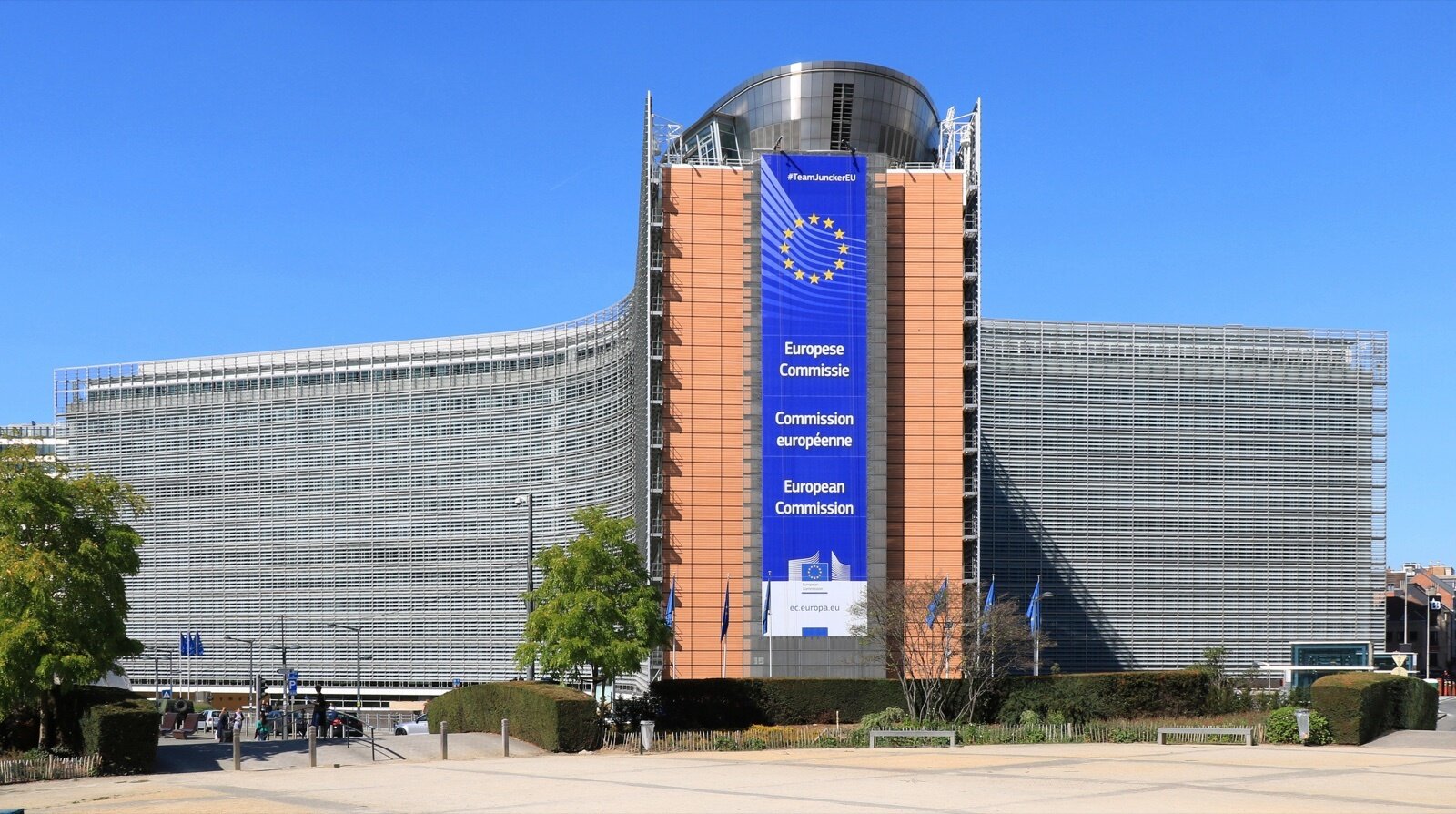
The European Commission published its Digital Fairness Act on 11 November, aiming at dark patterns, subscription traps and influencer marketing, and it wants the power to fine large firms directly. In the UK the FCA finalised the first rules for ESG rating providers, and the FRC found that more listed companies are departing from the Corporate Governance Code. Brussels also issued a preliminary finding against TikTok's recommender system, a fake takeover bid ended in a sentence at Southwark Crown Court, and the CMA warned online retailers about hidden delivery fees before Christmas.
EU proposes a Digital Fairness Act and direct Commission fines of up to 6% of turnover
On 11 November the European Commission published its proposal for a Digital Fairness Act, alongside a revision of the Consumer Protection Cooperation (CPC) Regulation. The Act would ban manipulative design ("dark patterns") such as fake claims that a product is almost sold out. It would also require clear pricing for virtual in-app currencies and for dynamic pricing of cultural and sports events, end subscription traps and unwanted automatic renewals, and require influencers to disclose commercial content. Other measures restrict personalised ads and prices that target minors or use sensitive data, ban gambling-like features such as pay-to-win for minors, and give consumers the right to speak to a human in customer service.
The CPC revision would let the Commission investigate large-scale cross-border cases itself, with fines of up to 6% of a company's worldwide annual turnover. Non-EU companies would have to appoint a legal representative in the EU. The Commission estimates the package could save EU consumers up to €13.7 billion a year. Both proposals now go to the European Parliament and Council.
FCA publishes final rules bringing ESG rating providers into regulation, with applications from 24 June 2027
The FCA published its final regime for ESG rating providers (PS26/22) on 3 November. For the first time, firms that provide environmental, social and governance ratings in the UK come under FCA regulation. The rules cover transparency, governance, systems and controls, conflicts of interest, and how providers deal with ratings users and the companies they rate. The FCA says the regime controls how ratings are produced and communicated but does not prescribe a sustainability view or methodology.
Providers can apply for authorisation from 24 June 2027, and the regime takes effect on 29 June 2028. After that date, firms will need FCA permission to provide ESG ratings in the UK unless an exemption applies. The FCA has published scoping guidance and says firms should check now whether they are caught.
Commission preliminarily finds TikTok's For You feed breaches the DSA over 'rabbit holes'
On 6 November the European Commission issued a preliminary finding that TikTok breached the Digital Services Act. It found that TikTok had not properly assessed how its recommendation algorithm can push users into repeated exposure to content about mental health struggles and body image, and had not put effective safeguards in place. The Commission found that the "not interested" button may not change the feed, and that the algorithm ranks viewing time above users' stated wish to see less of a topic.
The Commission said TikTok should rely more on users' explicit preferences and stop using viewing time as a recommendation signal. TikTok can now reply in writing. If the findings are confirmed, a non-compliance decision could bring a fine of up to 6% of worldwide annual turnover. The same proceedings produced preliminary findings on addictive design in February 2026 and on protection of minors in July.
Source: European Commission, 6 November 2026.
FRC review finds 39 of 100 companies departed from the Corporate Governance Code, up from 25
The FRC's first review of reporting against the 2024 UK Corporate Governance Code, published on 12 November, found that 39 of the 100 companies sampled departed from at least one provision, up from 25 last year. The most common departures concerned chair independence, chair tenure and annual board performance reviews. The FRC said what matters is whether companies give investors a clear and convincing explanation, but it found the quality of explanations inconsistent.
92 of the 100 companies reported work to prepare for Provision 29, which strengthens board accountability for risk management and internal controls. The FRC also found that too many reports stopped at what boards had discussed without saying what changed as a result. 95 companies mentioned artificial intelligence, up from 86, and 68 included AI in their risk frameworks.
Man who forged takeover papers with ChatGPT gets suspended sentence over £154m fake bid
Christopher Woolcott was sentenced at Southwark Crown Court on 10 November after staging a £154m fake takeover bid for Touchstone Exploration Inc, an oil and gas company listed on AIM and the Toronto Stock Exchange. He received a two-year sentence suspended for two years, 200 hours of unpaid work and costs of £4,627.73, with concurrent 14-month terms for three forgery offences. According to the FCA, he built a stake in Touchstone, invented several identities, used ChatGPT to forge takeover documents and met the company's chief executive under a false name. He stood to gain as much as £70,000.
FCA investigators traced three phone numbers used by the supposed individuals to a single handset. A parking payment placed his car near the shop the forged documents were sent from. The FCA opened its criminal case in March 2025 and secured guilty pleas within 18 months. Touchstone was not under investigation.
CMA warns online retailers that mandatory delivery fees must be in the headline price
Ahead of Christmas, the CMA published an open letter on 2 November reminding online retailers that where a delivery charge cannot be avoided, the total price must include the minimum mandatory delivery charge at every stage: adverts, product pages, baskets, checkout and payment. The CMA said it is concerned that some businesses still do not comply with the price transparency rules in the Digital Markets, Competition and Consumers Act 2024.
The letter tells online retailers, marketplaces, comparison sites and search engines to check their pricing against the CMA's price transparency guidance (CMA209) now. It warns that the CMA may use its enforcement powers where it sees continuing non-compliance.
What this means for compliance and governance teams
Pricing and design choices are now enforcement targets on both sides of the Channel. Before peak trading, check that delivery fees appear in the first price customers see, and look again at countdown timers, auto-renewals and cancellation routes. Firms that produce or rely on ESG ratings should work out now whether they fall under the FCA regime. Boards that depart from the Governance Code should explain why in plain terms and say what changed as a result.